Chipotle Bets on Honey Chicken and Margaritas to Bring Customers Back
Kyeyoung Park, was pleased that the Chipotle stock she purchased two weeks ago had already soared in price.. “I bought Chipotle stock at $27.
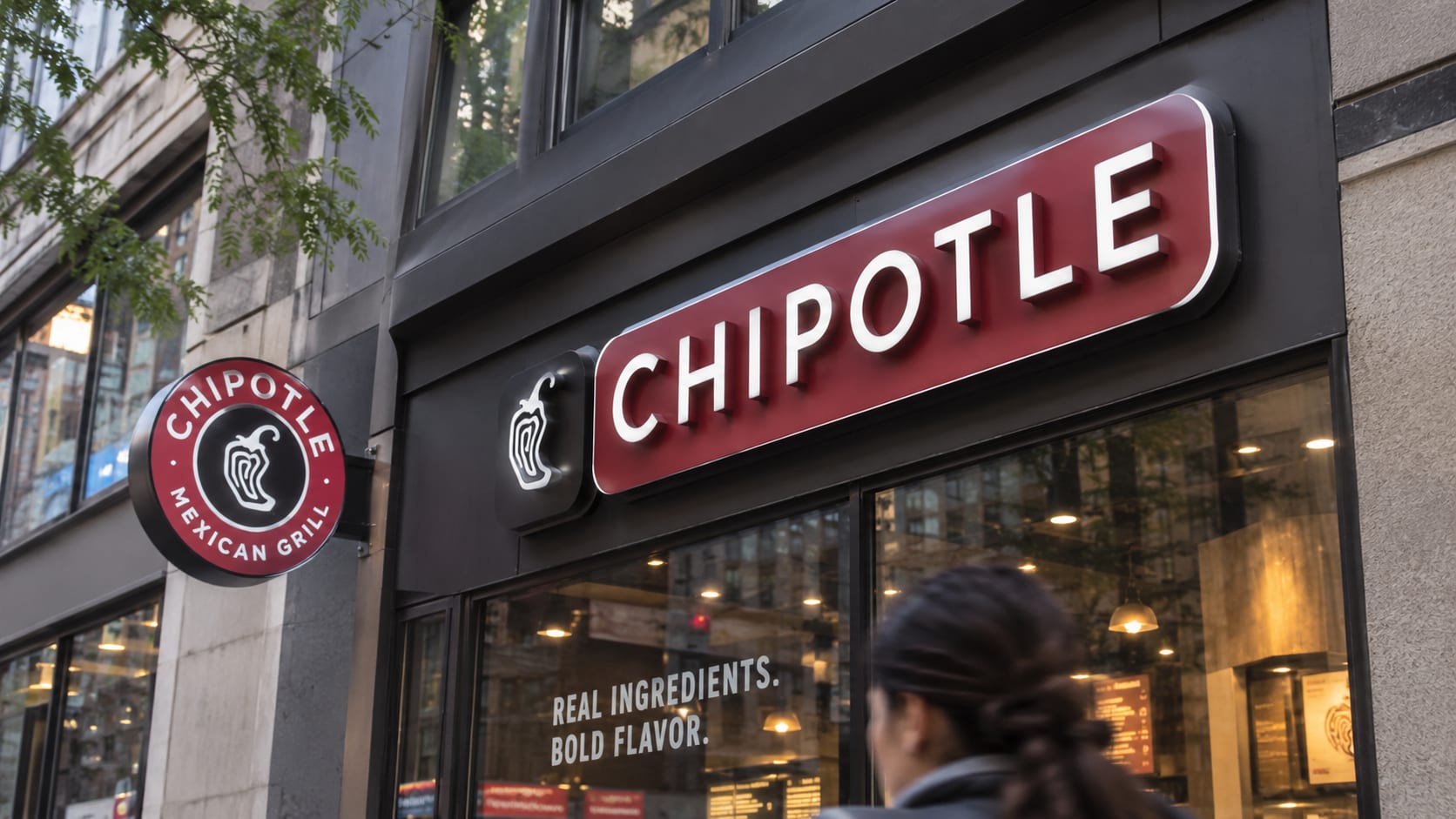
Kyeyoung Park, was pleased that the Chipotle stock she purchased two weeks ago had already soared in price..
“I bought Chipotle stock at $27.73, and it is already over $30 per share,” she said.
Park purchased the stock after seeing a news headline saying that Starbucks was planning to acquire Chipotle because it looked like a deal that would lift Chipotle’s share price. The deal didn’t happen, but Park said she still never expected the share price to go this high following the company’s third-quarter earnings call on Oct. 28.
Park also attributed Chipotle’s success to another recent change at the company. The Mexican chain recently brought back three discontinued items to its menu.
“I think Chipotle is trying to be a brand that satisfies current regular customers,” said Park, 33, a petsitter in the Boston area. “Marketing, such as reviving popular menus from the past, pleases old, regular customers like me.”
Chipotle Mexican Grill is trying to give customers more reasons to visit its restaurants and spend more money on its food and drinks. The limited-time return of its Honey Chicken offering starting in April, the renewal of its Smoked Brisket meal in November and last month’s margarita pop-ups show that the company is investing in bringing retired food items to lure in consumers.
Menu innovation and promotional events could encourage return visits and higher spending. But Chipotle’s lasting value depends on whether it encourages new purchases and if the resulting revenue justifies the costs of buying new ingredients for the additional menu options, including alcohol.
The menu update was primarily a way to persuade people who already enjoy Chipotle to come more often, said Darren Tristano, CEO of FoodserviceResults, a food research firm.
“As an established chain, menu innovation is designed to increase frequency of current patrons and encourage return of past customers with something new to try,” Tristano said by email.
Same-store sales growth dropped from 0.3% in the third quarter of 2025 to -2.5% in the fourth quarter of last year as younger and lower-income customers cut back on restaurant spending amid inflation and economic uncertainty. It then recovered to 0.5% in the first quarter of 2026 and rose to 2.2% in the second quarter. In the third quarter, growth dipped slightly to 2.1%.
On November 5, Chipotle‘s slow-smoked beef brisket will return to restaurants in the US and Canada for a limited time.
Smoked Brisket first appeared in September 2021 and sold out earlier than the company expected. It came back in September 2024 after a three-year break and beat expectations again. Transactions rose 4% in the fourth quarter of 2024, when the brisket was on the menu, and customers spent more per visit, according to Chipotle’s earnings report.
Chipotle also brought back Honey Chicken, a sweet-and-spicy grilled chicken that launched nationwide in March 2025 for a limited run that ended in late August. Starting April 28, it was sold across the US, Canada, the UK, France and Germany.
Honey Chicken outperformed its previous run and achieved a total rate of additional purchases above 25%, Chief Executive Officer Scott Boatwright said during Chipotle’s July earnings call. Boatwright said Honey Chicken and Chicken al Pastor, which is seasoned with pineapple and Mexican spices and returned alongside Honey Chicken, helped encourage existing customers to visit more frequently while attracting new guests.
Chipotle is not alone in reviving old menu items.
Chris O’Cull, an analyst at the restaurant research company Baird, said Jersey Mike’s Subs benefited from limited-time sandwiches, enhanced marketing and rewards-program engagement in his October report on Chipotle.
Chipotle’s Halloween-themed margarita was another attempt to draw customers’ attention and open their wallets. The event offered $6 drinks at select restaurants with liquor licenses in Denver, Brooklyn, Dallas, Los Angeles and New Orleans.
The margarita offering was a way to build interest through scarcity, nostalgia and social demand, said David Henkes, senior principal at restaurant research firm Technomic. But he pointed to challenges such as meeting licensing requirements, operational complexity and the difficulty of earning a strong return on alcohol sales in a fast-casual setting.
Industry experts say they expect the margarita event’s small footprint to limit its contribution to companywide revenue. Henkes said social media engagement could potentially benefit those locations financially and boost Chipotle’s online profile.
Tristano said the promotion could bring in more customers and increase sales at participating restaurants, even if it has little impact on the company’s overall sales.
“The limited promotion won’t drive huge sales but will allow the company to evaluate whether it was a sales lift, a traffic lift or both,” he said.
The strategy comes as restaurants face pressure to demonstrate value while dealing with increasing food and labor costs. Henkes said lower- and middle-income consumers have cut back on restaurant visits amid inflation, making it more challenging for Chipotle to attract customers, while introducing new menu items.
For the full year 2026, analysts estimate Chipotle's revenue will reach $13 billion by the end of 2026, up 9% from $11.93 billion in 2025. However, net income is expected to fall 10.8% to $1.37 billion from 2025’s $1.54 billion, showing the gap between the company's sales growth and profitability.
But Chipotle’s margin after operating expenses fell to 25.2% in the second quarter, from 27.4% a year earlier. Food, beverage and packaging costs rose to 29.7% of revenue from 28.9%, reflecting higher beef and freight costs and increased protein and produce usage.
Meanwhile, labor costs increased to 25% of revenue, from 24.7%, driven by higher compensation and additional staffing to support restaurant operations and to improve the customer experience. Menu price increases partly offset those pressures, while lower avocado and dairy costs provided additional relief.
Wall Street is also less certain that Chipotle’s efforts will pay off. In TD Cowen’s October report on the company, analyst Andrew Charles warned that the company had a weak start in the fourth quarter, despite menu innovation, new marketing campaigns and loyalty initiatives.
“We see risk that the layering in of tangible sales drivers are not enough to overpower macro headwinds,” Charles wrote.
Before the report of the Starbucks acquisition on Oct. 8, Chipotle shares fell more than 10 percent from early October, while the S&P 500 gained 15.84% over the same period.
Chipotle shareholder Park is still confident about the company’s future, despite its rocky stock performance.
She said she would definitely hold on to her Chipotle shares for the long term and keep an eye on the fast-casual food industry to get a better sense of how the stocks will move.
“I hope Chipotle continues to make innovative changes for the company's growth and keep both old regular customers and new ones,” said Park.