Yum! Brands earnings dragged by cyclospora outbreak hitting Taco Bell
A foodborne illness outbreak linked to lettuce served at Taco Bell clouded Yum! Brands third quarter.
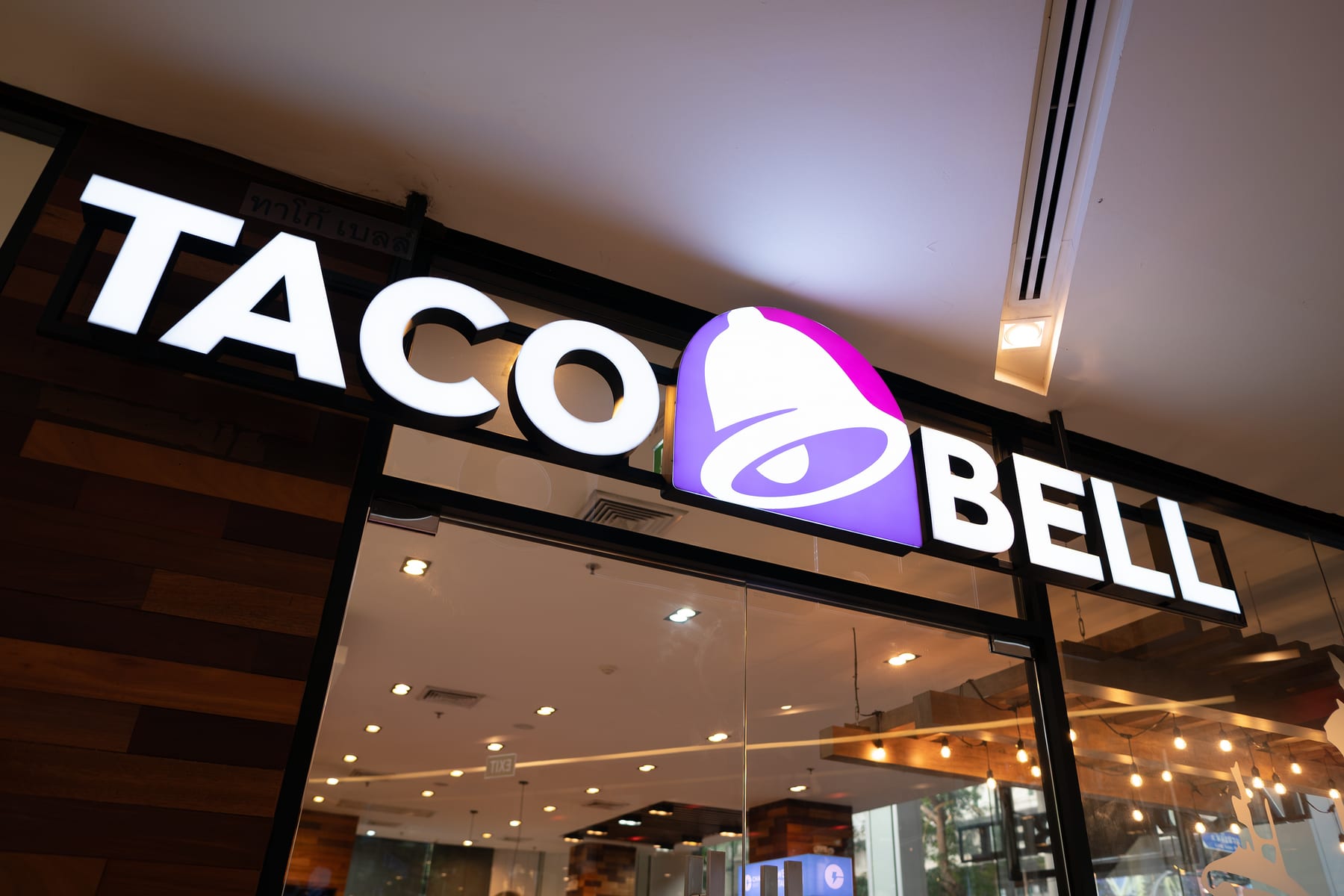
A foodborne illness outbreak linked to lettuce served at Taco Bell clouded Yum! Brands third quarter.
Yum, which owns Taco Bell, KFC and Habit Burger & Grill, reported an adjusted earnings per share of $1.56, exceeding Wall Street's estimate of $1.51. The adjusted EPS excludes the gains from its divestiture of Pizza Hut. Revenue increased 4% year-over-year to $2.05 billion, but fell slightly short of analyst forecasts.
Yum! Brands contended with the cyclospora outbreak at Taco Bell as broader inflationary pressures continued to challenge the restaurant industry. The company continues to be reliant on Taco Bell's recovery and KFC's international expansion, while cautious consumer spending weighs on fast-food demand.
“It's a tough macroeconomic environment for a number of reasons. Yum! Brands' customers tend to skew toward lower-income consumers,” said John Gordon, Pacific Management Consulting Group analyst. “Those customers are proportionately going to be in more difficult shape.” Consumer prices rose 3.7% from prior year.
The most important measure of Yum's underlying performance was same-store sales, which track sales at restaurants. Worldwide same-store sales were flat compared with the previous year, excluding Pizza Hut. Taco Bell's same-store sales fell 4%, while KFC's increased 1%.
Taco Bell's decline was largely tied to a summer Cyclospora outbreak linked to lettuce served at some of its U.S. restaurants. The disruption hurt customer traffic, but the company said sales improved as the quarter progressed. “With their reputation and their strength, they can recover from this,” Gordon said.
Promotions, including $1 Taco Tuesdays for loyalty members, and other value offers have helped attract customers and increased membership sign-ups. Offering inexpensive products alongside higher-priced menu items allows the chain to appeal to customers across income levels, Gordon said.
While Taco Bell remains important for growth, KFC has the opportunity to grow through restaurant openings. Yum reported overall 7% unit growth, with 878 KFC openings during the quarter. “The (Taco Bell) team is leaning in, continuing to play offense through the end of the year and into the beginning of 2027,” said CEO Chris Turner in yesterday’s earnings call.
KFC's international expansion is important as its U.S. business faces intense competition from chains such as Raising Cane's and Chick-fil-A. It has entered six new countries, Germany, Croatia, Ecuador, Moldova, Serbia and Sweden over the past year.
Still, the company's financial results require some context. Net income more than quadrupled to approximately $1.62 billion from $397 million a year earlier. However, that increase was largely driven by Yum's completed divestiture of Pizza Hut. Excluding Pizza Hut from both periods, Yum's core operating profit increased just 1% during the quarter.
Yum completed the sale of Pizza Hut's mainland China business to Yum China and its remaining global business to private equity firm LongRange Capital. The divestiture leaves the company focused on Taco Bell, KFC and Habit Burger & Grill, allowing management to concentrate resources on its remaining brands. The sale also raises questions about whether Yum will eventually seek another brand to diversify its portfolio.
“If growth starts slowing at KFC or Taco Bell internationally, that would really compel them,” said Ari Felhandler, a Morningstar analyst, on the possibility of an acquisition. “Although valuations have been hit a bit. It is a challenging time for the restaurant industry.”