United Airlines Coasts Past Wall Street Estimates As Jet Fuel Prices Rise
As jet fuel costs continue to trend up, United and Delta have strapped in for the long haul, quietly edging out competitors in a downturn. United’s heavy investment in premium offerings for brand loyalists has kept it steady.
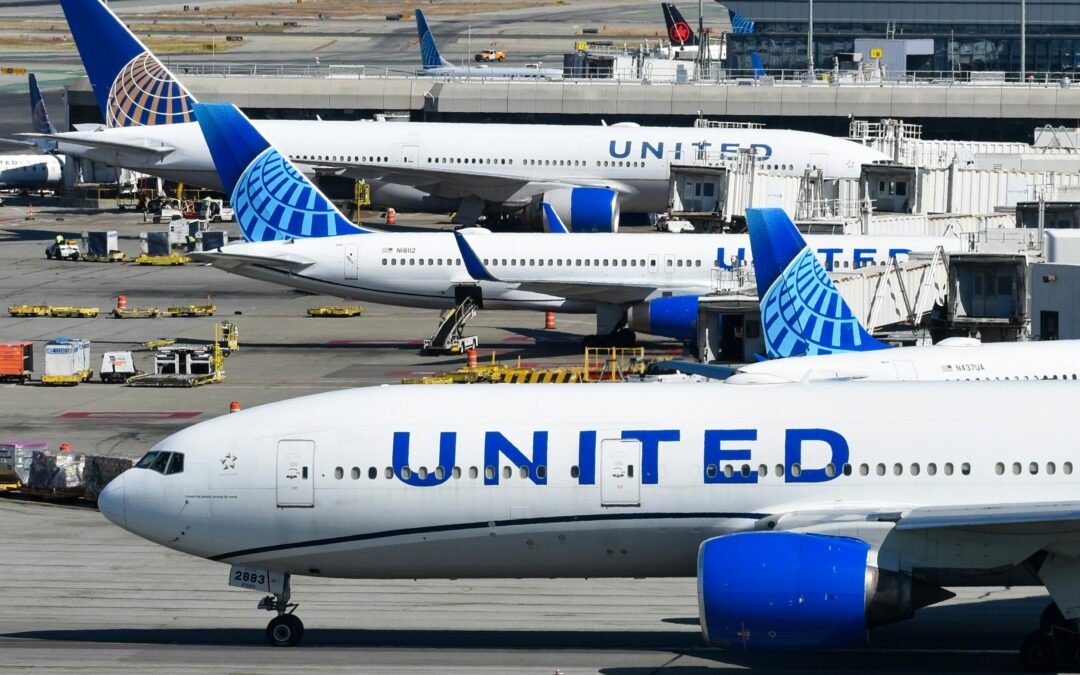
As jet fuel costs continue to trend up, United and Delta Airlines have strapped in for the long haul, quietly edging out competitors in a downturn.
United, which has invested heavily in premium offerings for brand loyalists, has remained steadfast as a trusted brand for high-income flyers but still faces pressures as jet fuel prices have risen due to the war in Iran. Its stock dropped 11% from mid-June, closing at $107 on Sep. 15 despite outperforming analyst revenue expectations in its most recent quarter.
Jet fuel prices reached a peak in April at $4.88 per gallon as the war with Iran escalated, pushing airline fares higher as airlines scrambled to recover. As of October 14, jet fuel prices, which typically account for 25 to 30 percent of United’s total operating costs, sit at $4.66 a gallon, according to the Argus US jet fuel index.
The jump in fuel prices has forced airlines to bump up ticket prices, straining flyers and budget airlines.
“Right now, you have a situation with a jump in oil prices that is making it harder for airlines to ask as much,” said Nicolas Owens, a Morningstar analyst.
United and Delta, however, have continued to lean on expanding premium offerings despite macro pressures. United has amped up live sports streaming on nearly 700 mainline aircrafts to attract more affluent travelers. The airline has also cut back its lower traffic routes, including Tel Aviv and Dubai, to buff up its margins, and accelerated the addition of free Starlink wifi on its flights.
The airline reported a profit of $805 million in its most recent earnings report in July, down 17.3% from the year prior. Quarterly revenue rose by 16.4% year over year to $17.67 billion, overperforming analyst expectations, which clocked in at $17.62 billion, as travelers acquiesce to in-person work. The airline reported $1.99 earnings per share, beating out analyst estimates of $1.88 per share.
“Over the medium term, even if a consumer recession slows demand for a few quarters, we still expect steady demand for domestic leisure travel and strengthening business travel as workers return to offices,” wrote Owens in a United analyst report.
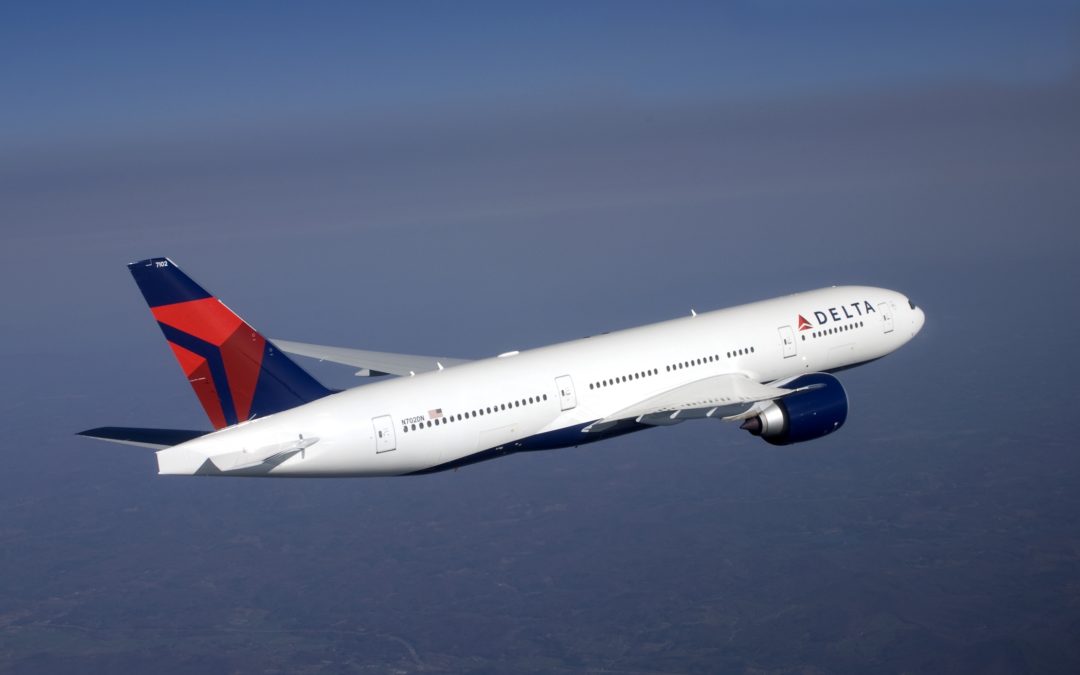
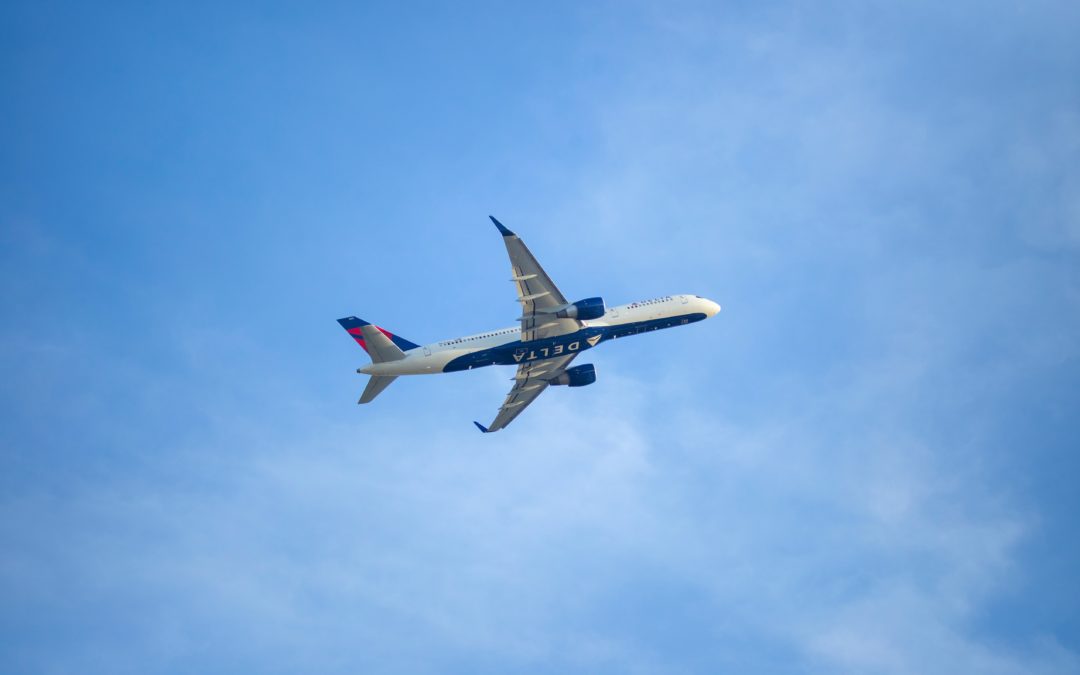
But competitor Delta has long been a champion in the premium airline space, and for years, United has been playing a game of catch-up. Delta pioneered free wifi to passengers in 2023 (and has since refused to implement Elon Musk-owned Starlink), and is rapidly expanding transatlantic routes for top-dollar flyers, from Seattle to Tokyo-Narita to Boston to Venice. While United Airlines is outperforming its key rivals, including Delta, by many metrics, investors say the two are locked in a premium arms race for upscale travelers.
“It helps the competitiveness to have more premium offerings. [United has] done a good job on their loyalty program. Delta and United are number one and number two in this industry; they’re sort of best prepared to take on this environment,” said George Ferguson, an analyst at Bloomberg Intelligence.
Delta, as a whole, still maintains a headstart with its premium offerings. “I think we’re probably still in the early to mid innings in terms of the overall premium supply versus demand. Demand for it is very, very high,” said CEO Ed Bastian in a WSJ interview.
But while Delta has held steady, United has been edging its competitor out. Delta reported $1.56 earnings per share in July and $1.72 earnings per share in its latest October earnings report, lower than analyst expectations, as higher fuel costs — up 62% year over year— ate gains.
Some institutional investors, including billionaire Stanley Druckenmiller’s Duquesne Family Office, are buying in on the airline’s momentary headwind; Druckenmiller tripled its position in United in August by adding over 200% more shares.
“With Brent back near $80 today—still above its pre-war level of roughly $64 to $67, but well off the $146 peak—and the Strait of Hormuz reopening, we appear to be in the early phase of what history suggests could be a sustained period of margin recovery for airline stocks,” wrote Frank Holmes, the chief investment officer of U.S. Global Investors in a June post.
Brandon Zemel, a 34-year-old salesperson, recreational pilot, and aviation enthusiast, says he’s been impressed with the airline’s aggressive luxury strategy under the leadership of CEO Scott Kirby, especially as he sees an uptick in customer complaints about Delta.
“It’s probably a rough time for airlines, but I’m not a day trader, I’m not looking to get in and out of positions quickly,” said the retail investor. “What I buy, I tend to hold long term, and I don’t really see anything but upward mobility for travel.”