Company Insights
Nvidia’s next frontier isn’t gaming, it’s data and supercomputers
The world of gamers that spend countless hours fighting zombies and cowboys is a far stretch from that of scientists fighting the coronavirus and climate change.
A take on business from Times Square
Sponsored by NYC News Service and CUNY Newmark J-School
Reporter
The world of gamers that spend countless hours fighting zombies and cowboys is a far stretch from that of scientists fighting the coronavirus and climate change.
The heightened demand for technology that supports playing, learning, and working from home due to the coronavirus pandemic has yielded Nvidia record revenues and earnings, carrying the company through a year of growth even as some of its sectors take a hit.
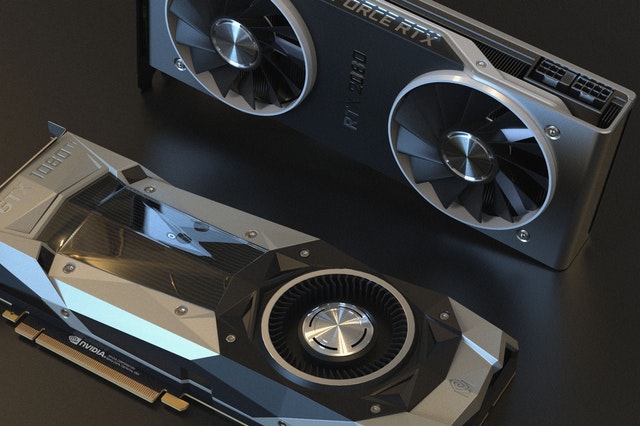
Constant shortages of Nvidia’s top-selling graphics cards is not only leading to lost sales but is spurring frustration among its consumers and inviting competitors to fill the void.
Nvidia’s recent $40 billion attainment of U.K-based chip designer Arm could hit a dead end. The U.S.
Despite September’s tech stock selloffs, share prices for semiconductor stocks are expected to continue to grow as more sectors move to integrate hardware chips into their products.
About the Journal
The Times Square Investment Journal covers companies, markets and personal finance from a newsroom in the heart of Manhattan. The Journal is sponsored by the NYC News Service and the Craig Newmark Graduate School of Journalism at CUNY.
Send comments and story tips to the editor.
greg.david@journalism.cuny.edu