FedEx makes EV push as diesel prices soar
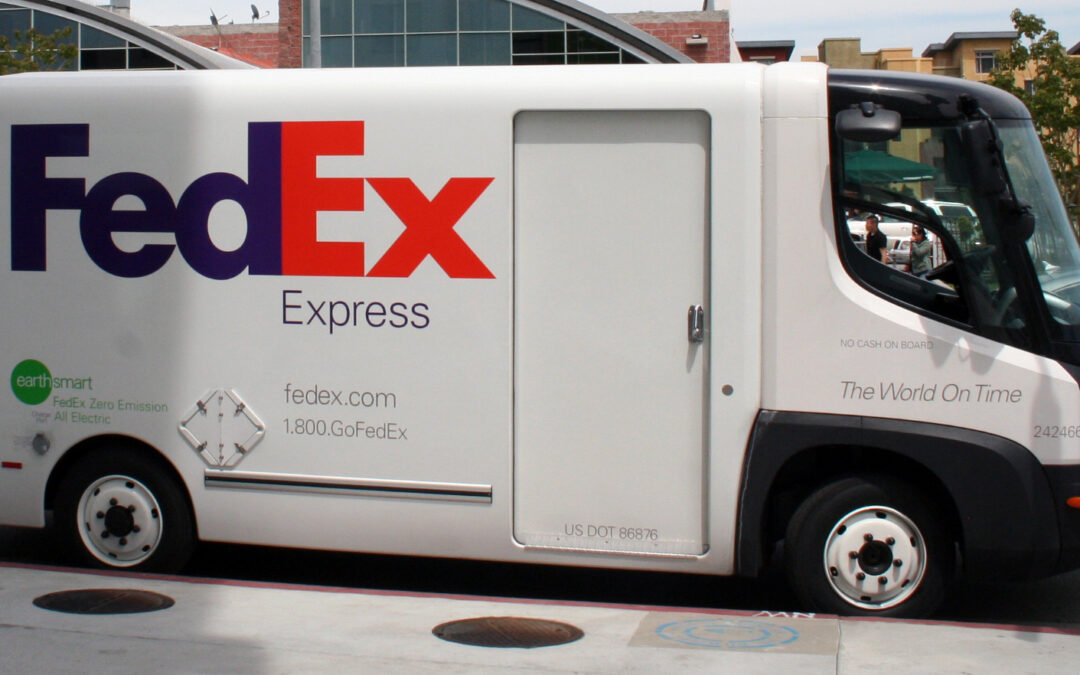
FedEx is one step closer to replacing its entire fleet of diesel delivery trucks with electric vehicles.
FedEx is one step closer to replacing its entire fleet of diesel delivery trucks with electric vehicles.
The carrier purchased 2,000 electric trucks from Harbinger Motors for $300 million on Sept. 30.
The move is part of FedEx’s long-term goal to adopt an all-electric delivery fleet by 2040. Most commercial delivery vehicles run on diesel, which has shot up in value nearly $3 this year and sits at $6.20 per gallon today. Amid the ongoing wars in Iran and Ukraine, EVs could offer FedEx a hedge against volatile oil markets.
“The transportation industry is undergoing a fundamental transformation, and electrification is set to play a pivotal role in the future of commercial fleets,” said Vinay D’Souza, FedEx’s senior vice president of global assets and infrastructure, in a Harbinger press release.
This is FedEx’s second deal with Harbinger, a California-based EV startup. In November 2025, FedEx ordered an initial batch of 53 Harbinger vehicles while leading the company’s $160 million Series C funding round. Since its founding in 2021, Harbinger has secured at least $358 million in funding for its specialized production line of medium-weight commercial trucks.
Each EV will reduce fuel costs by an estimated $20,000 per year, amounting to $40 million in annual savings for FedEx. The trucks are planned for delivery by the end of 2027 and will be deployed in both the U.S. and Canada.
FedEx’s push for electrification comes as the Trump administration is rolling back policies incentivizing EV production. Last week, Transportation Secretary Sean Duffy eliminated the Biden administration’s “illegal EV mandate” while loosening fuel economy standards for some gas-powered vehicles. In July 2025, the One Big Beautiful Bill Act ended federal tax credits for new clean vehicles and EV chargers.
Still, Harbinger scaled its operations over the last year, even prior to the FedEx order. After starting serial production in April 2025, the company manufactured its 1,000th EV unit last month.
In a LinkedIn post, Harbinger CEO John Harris said that last week’s order “represents an incredible step forward on electrification by FedEx, with huge upside in fuel cost savings, energy independence, and decarbonization.”
Once thought of as purely a sustainability initiative, EVs are generating serious interest from the shipping and logistics industry. Amazon spearheaded the adoption of electric delivery vehicles and deploys over 50,000 globally, while UPS has just 1,000.
Though Harbinger prevailed against Trump’s EV policy, volatile energy markets remain a key risk factor for the transportation sector. That said, FedEx passes rising fuel costs directly to customers through shipping surcharges.
Customers currently pay a surcharge of around 25% for FedEx domestic ground shipments, and even higher rates for international or air freight. It remains unclear whether the carrier will eventually use its EV cost savings to ease that burden.