Eli Lilly believes its drugs could treat ailments beyond obesity. Accessibility challenges and a Trump admin stand in the way
As pharmaceutical giant Eli Lilly evolves its popular obesity and diabetes drug, the company has discovered positive side effects that could develop into spin-off medications.
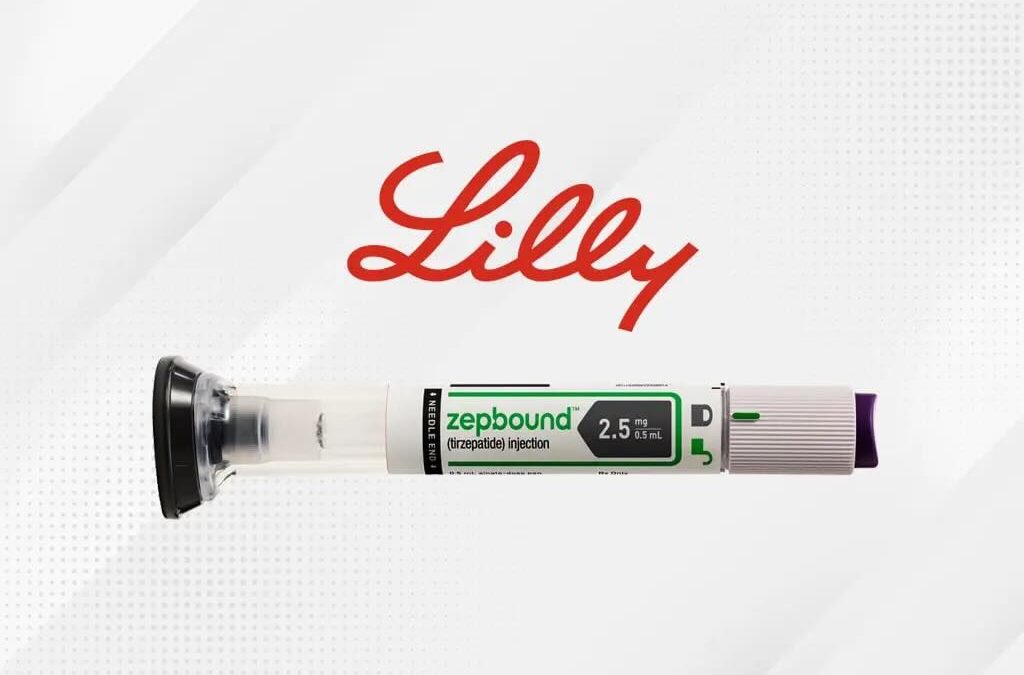
As pharmaceutical giant Eli Lilly evolves its popular obesity and diabetes drug, the company has discovered positive side effects that could develop into spin-off medications.
Users of GLP-1 drugs, which regulate blood sugar, appetite and digestion, have reported curbed cravings for substances like alcohol as well. Eli Lilly CEO David Ricks sees that as an opportunity to tweak the pharmaceutical company’s existing brands, Mounjaro and Zepbound, into different medications tailored to individual patients.
“I think in five years, we could find ourselves with a pill that is a GLP-1 or like mechanism that is for people who have alcohol use disorder or do use opioids in an extreme way,” Ricks said at the Dealbook Summit Wednesday. “There is an anti-hedonic effect here.”
Eli Lilly is in tight competition with Ozempic and Wegovy-maker Novo Nordisk to enhance the drugs’ potency and create a pill version in addition to injectables. Along the way, they’re discovering they could also be used for ailments such as knee pain and sleep apnea. But accessibility challenges and the incoming presidential administration could pose obstacles.
Government plans and many private insurers do not cover the cost of weight loss drugs, and Eli Lilly’s Mounjaro costs $1,069 without insurance. It costs a patient in the United Kingdom or Japan, however $485 or $94 respectively.
Even for Americans with insurance, obesity medicine physician Dr. Fatima Cody Stanford says insurers often pose barriers that keep these medications from those who need them.
“(Insurers will) say, ‘No, this isn’t the best drug. I don’t think that this is appropriate because of the price, or we just don’t want to approve this medication for whatever reason,’” Stanford said at Wednesday’s Summit.
Ricks blames an “archaic” American healthcare system where the list price of pharmaceuticals isn’t the actual price paid, leading to accessibility challenges.
“It’s not about profiteering on the back of Americans,” Ricks said. “It’s about a system where we have to give a slice of every bit of our revenue all the way down, and then fight with the patient to gain access to the product.”
Still, Eli Lilly posted $11.4 billion in revenue and $970 million profits for the third quarter. Zepbound and Mounjaro accounted for 38% of the company’s third quarter revenue, and the stock closed up 2% Wednesday on the news that clinical trials found Lilly’s Zepbound causes greater weight loss than Novo’s Wegovy.
One way to increase accessibility is taking away the injection component. Eli Lilly is working on a pill GLP-1 drug, Orforglipron, which would be easier to produce and appeal to more consumers, according to Karen Anderson, head of healthcare equity research at Morningstar.
“It would obviously be much easier to manufacture, much easier to distribute to places that don’t have as much access to refrigeration, and just people may prefer it as well to take a pill versus an injection,” Anderson said.
Current President Joe Biden proposed expanded coverage of obesity drugs under Medicare and Medicaid, but Anderson said that will ultimately be incoming president Donald Trump’s call.
It’s unclear how the Trump administration will tackle regulation of these weight loss drugs as they become more prevalent in American society.
Incoming health secretary Robert F. Kennedy Jr. is known for opposing traditional medicine and has commented on the need to focus more on diet and exercise rather than medication to combat obesity. However, he’s also supported Trump’s idea of international price benchmarking for pharmaceuticals.
“I don’t know if it could mean trying to de-emphasize their use, or trying to expand their use at a lower price, which seem very different,” Anderson said.
Ricks is trying to stay optimistic.
“I’ve got 44,000 employees who wake up every day trying to make America healthy again,” he said, referencing Kennedy’s slogan. “So we can get behind that.”